Colombia
For over five decades, Colombia has faced an internal armed conflict affecting more than 9 million people. Guerrillas, paramilitaries, drug cartels, and State forces have all fought for territory, with severe consequences for civilians.
Conflict-related sexual violence has been used against women, men, and children. Afro-Colombian, Indigenous communities and LGBTQI+ people have been specifically targeted. Perpetrated by all actors, including the State and non-state armed groups, there are upwards of 49,000 victims of conflict-related sexual and reproductive violence registered with the Registro Único de Víctimas.[1]
In 2016, the government and the Colombian Revolutionary Armed Forces (FARC), the country’s largest guerrilla group, signed a peace agreement. While considered a milestone worldwide, violence continues. Existing reparation mechanisms are poorly funded and there remains a large gap between what is available, and what survivors have received.
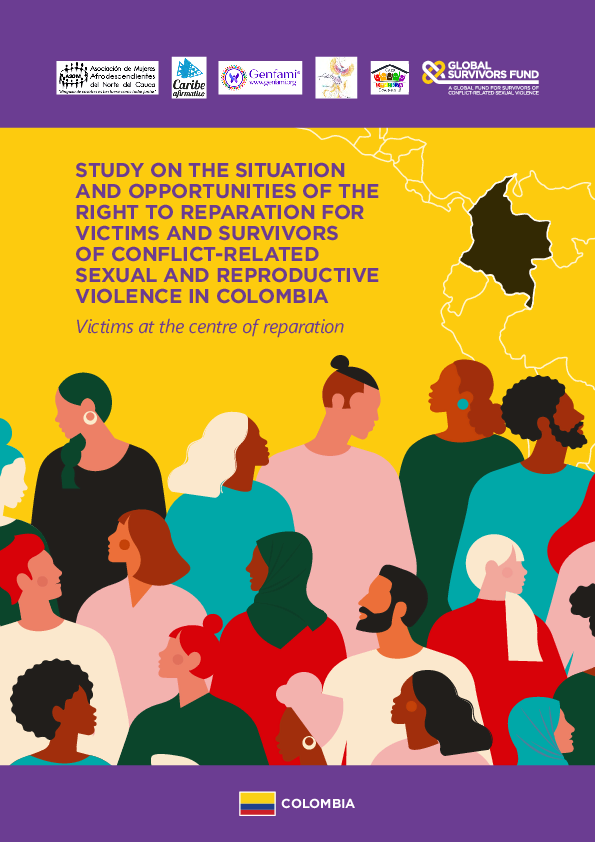
Project partners
2020
120
SURVIVORS TOOK PART IN RENACE
400
SURVIVORS REACHED
We are that voice that can save lives, we are that voice that can lift up another woman, we are that voice that can sometimes reach the ears of another woman who has never dared to speak up.
— A member of Mujeres del Plantón
Working with the State
Despite the existence of a comprehensive legal framework on reparations, survivors in Colombia continue to face multiple structural barriers that prevent them from fully realising their right to reparation. These persistent obstacles, including discrimination and bureaucratic barriers, significantly hinder survivors’ meaningful access to reparation.
To address these challenges, GSF is working closely with key State institutions – including the Special Jurisdiction for Peace (JEP), the Victims’ Unit, and the National Unit for the Implementation of the Peace Accord – to improve coordination and their response to survivors’ needs and demands. In parallel, we continue to work directly with survivors, partnering with civil society organisations and survivor networks to bolster their advocacy efforts, ensure their voices are heard in decision‑making spaces, and support their access to the remedies available within the reparation system.
We support survivors of conflict-related sexual violence as part of macro-case 05, which represents over 120,000 victims of different atrocities committed across 17 municipalities in the Northern and Southern Cauca Valleys between 1993 and 2016. Some 80 survivors of conflict-related sexual violence are registered in this case, including members of Afro-Colombian, Indigenous, and campesino communities, as well as survivors from the LGBTQI+ community.
Progress was achieved in 2025 when the JEP decided to prioritise fundraising efforts to establish survivor centres, as a restorative measure under macro-case 05. The initiative emerged from a co-creation process with survivors initiated by GSF in 2023 and represents the first survivor-designed measure to be approved by the JEP. Funds were requested from the government for building and equipping the centres.
Renace
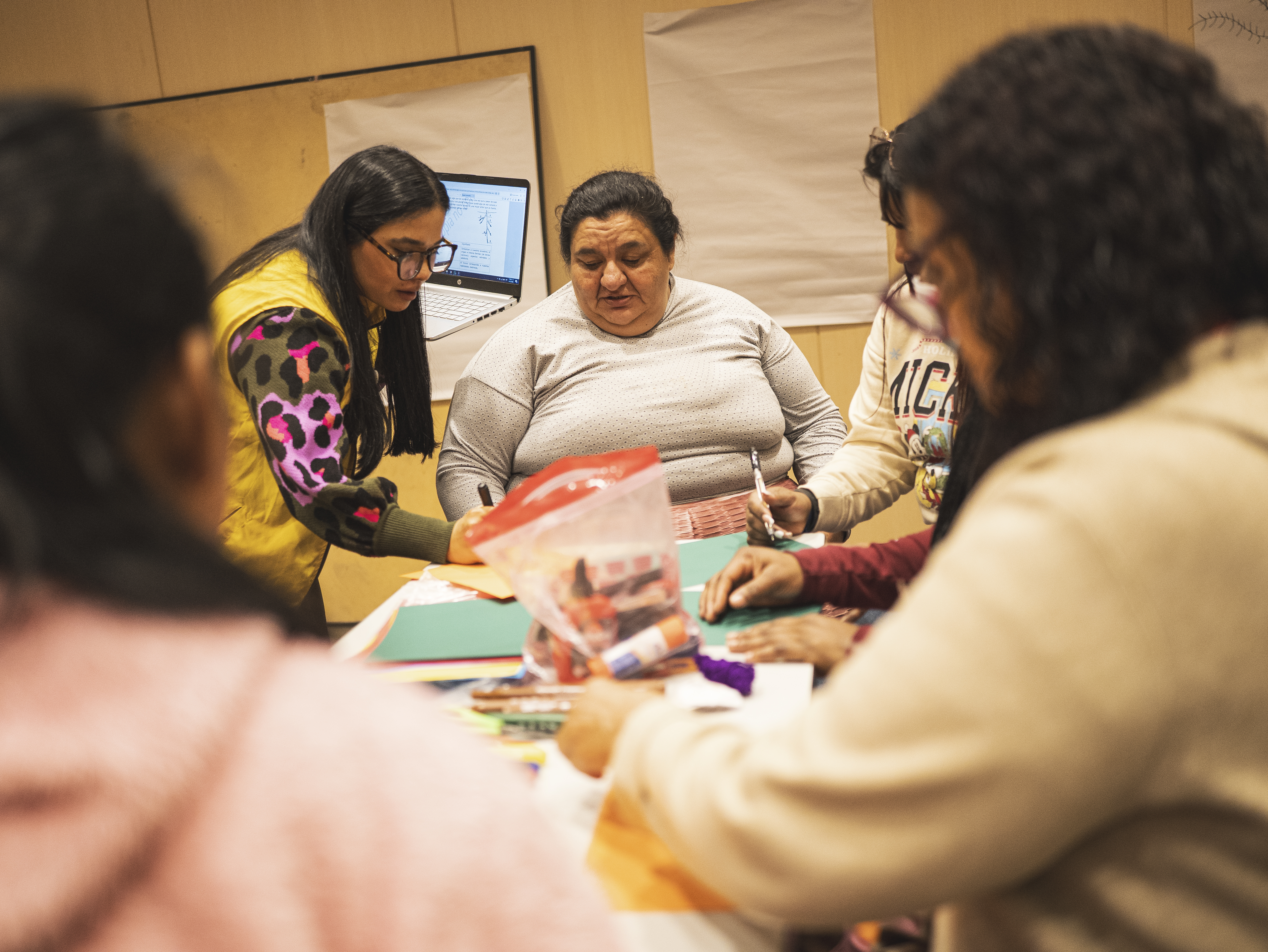
In 2025, we launched Renace, or ‘reborn’ in Spanish, a pilot project focused on emotional rehabilitation for survivors. Carried out in collaboration with the Victims’ Unit, the initiative reached 120 survivors across six municipalities and will be expanded nationwide in 2026.
Over the course of six sessions, groups explored themes such as reframing the past and managing emotions, all grounded in Colombian cultural practices and therapeutic activities. The sessions were conducted by psychologists from the Victims’ Unit, who were previously trained by GSF in survivor-centred methodologies.
Claiming their right to reparation
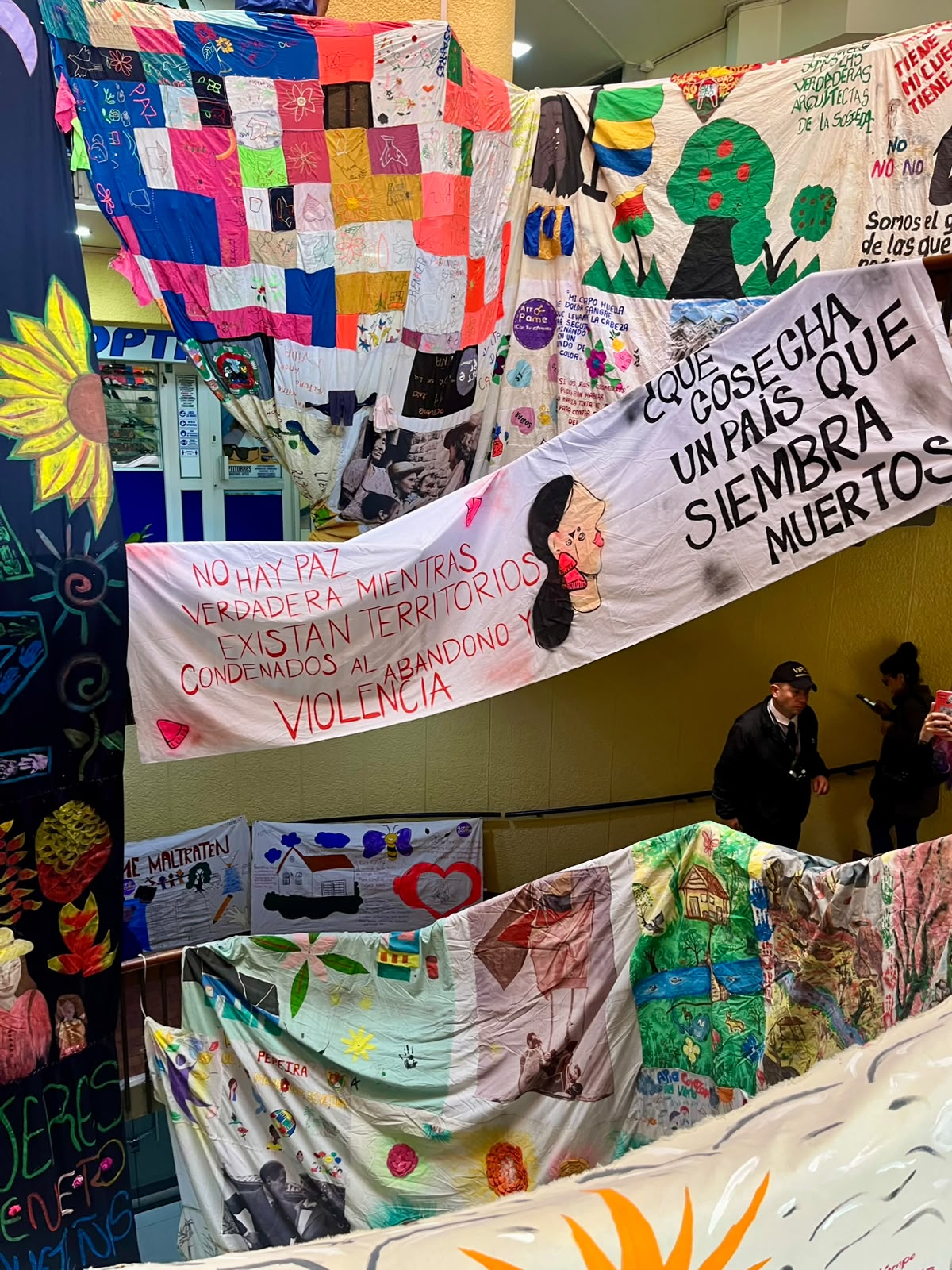
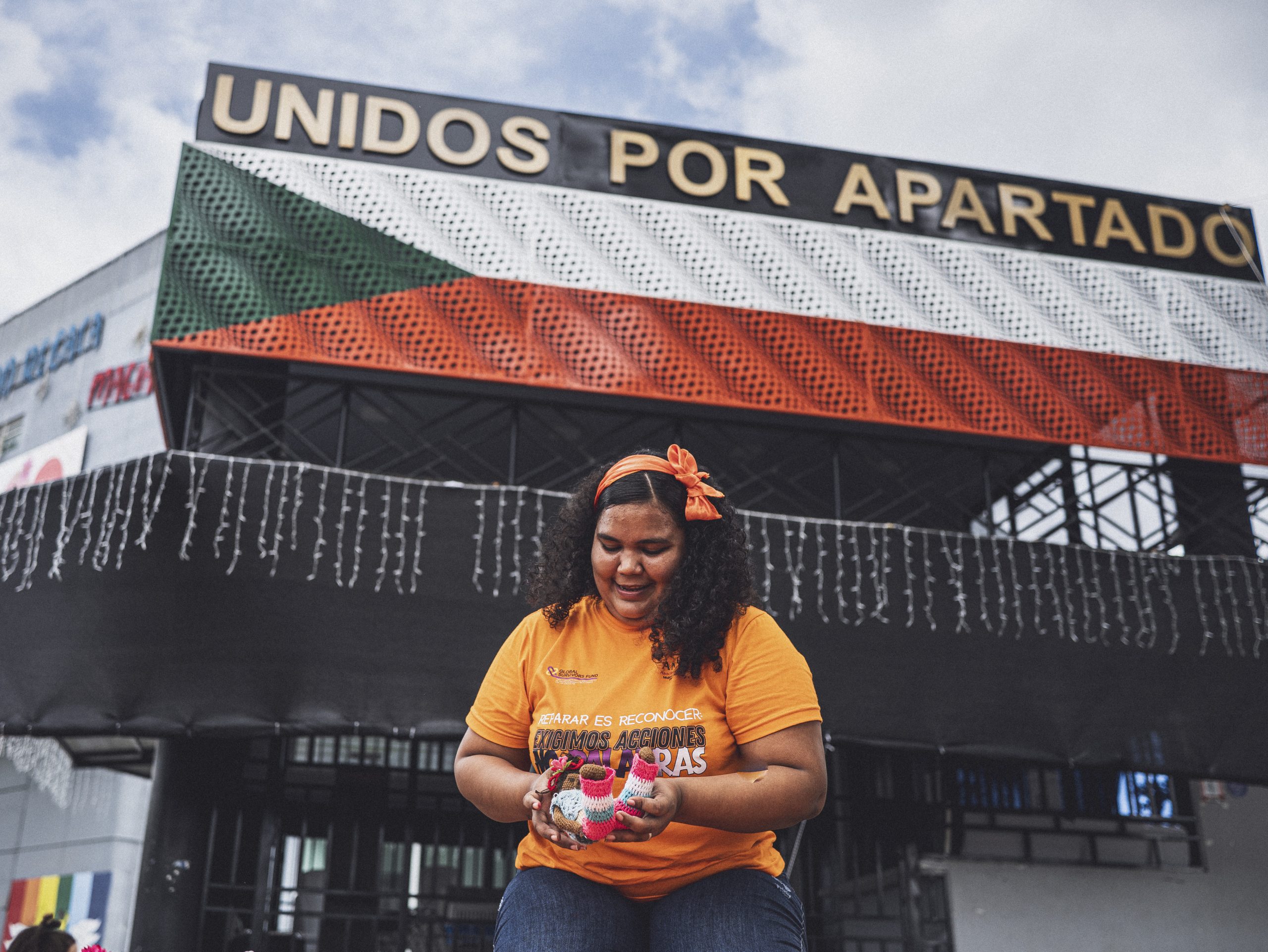
A portion of our work in Colombia is specifically oriented towards supporting grassroots and survivor-led organisations, through various means (workshops, technical support and the promotion of collective action).
GSF also supports the Mujeres del Plantón, which brings together survivors from across Colombia’s Urabá region to learn about their rights and strengthen their capacity to advocate for reparation.
We also work with Indigenous Wiwa women from the Sierra Nevada de Santa Marta to raise awareness of how sexual violence disrupted the spiritual connection between their bodies and their territory, and to ensure this is reflected in reparation mechanisms.
[1] According to the Registro Unico de Víctimas, as of April 30, 2026.
More from Colombia