Syria

Syria’s Assad regime used sexual violence as a systematic weapon of oppression during its rule, including against thousands of people detained in prisons and secret facilities across the country. These violations were also committed by other parties throughout the 14-year conflict.

Association of Detainees and Missing of Sednaya Prison (ADMSP)

Women Survivor Network of Deir ez-Zor – Medya

With the fall of the regime in December 2024, thousands of people who had spent years or decades in prison were freed. Many of them, however, faced immense health, mental health and economic hardship upon their release, without any means to address their most urgent needs. Women faced additional discrimination from relatives and wider society, compounding their suffering.

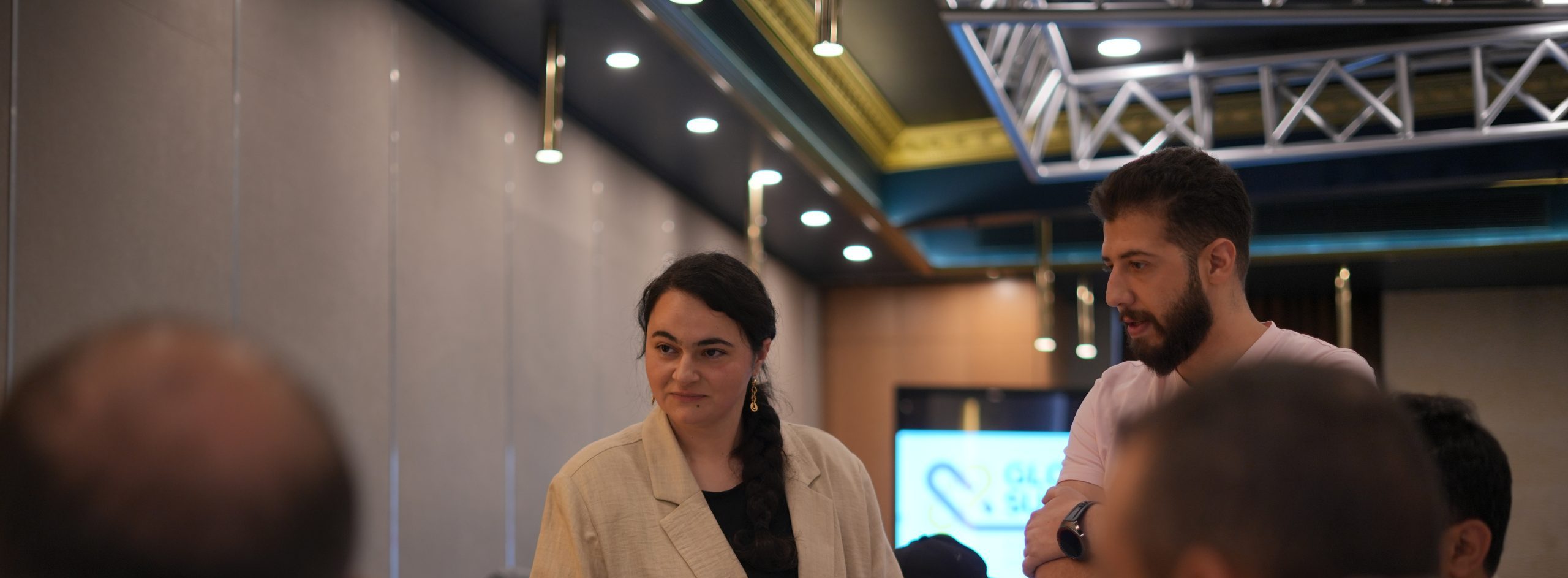
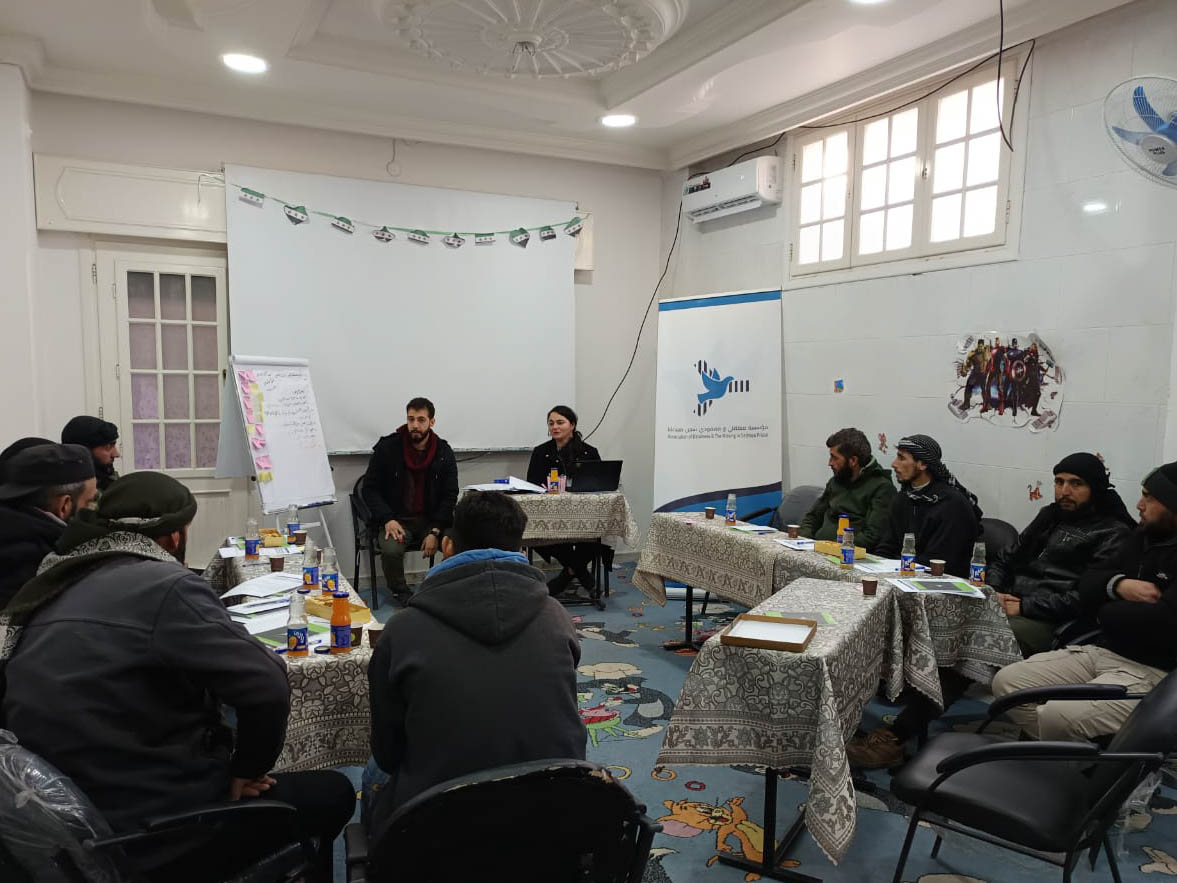
Consultations with survivors are held to discuss the establishment of a national victims’ registry in Hama. Syria, January 2026. ADMSP

Most of our conversations in detention were about how we would face our families afterwards.

2025

WORK BEGAN

221

SURVIVORS REACHED THROUGH 

EMERGENCY SUPPORT

Urgent support 

In January 2025, the Association of Detainees and The Missing in Sednaya Prison (ADMSP), our partner in our interim reparative measures project in Türkiye, swiftly set up emergency support grants for former detainees. Named Liberty Pathways, the project provided urgent financial support to 221 survivors of detention in Damascus and southern Syria from February to June.  

Survivors used their small grants to support their families, since many of them were physically incapable of working due to their injuries. ADMSP also organised a referral system for survivors across Syria to access the support they needed. This included 182 referrals to medical services. Women’s participation in the project was significantly lower, as around 90 per cent of newly released detainees were men, and many women were reluctant to self-identify due to discrimination and safety concerns. 

Given their prior experience with GSF and their extensive network in Syria, ADMSP was able to quickly reach many of these people. 

Transitional justice 

In May, a GSF team visited Syria and met various ministries who expressed their willingness to work on the transitional justice process. They welcomed our message to pay special attention to survivors of detention and their specific needs. Following the visit, we started providing technical support to the newly formed Transitional Justice Commission (TJC) via a sub-committee focused on reparation. 

In December, thanks to funding from Deutsche Gesellschaft für Internationale Zusammenarbeit (GIZ)[1] , we began the first round of survivor consultations on topics connected to a reparation programme.  

Implementation challenges in this first year highlighted several lessons for GSF. The first was that we needed to broaden engagement with survivors across the country, including those held by non-Assad regime actors. We therefore partnered with a women-led victims’ group in eastern Syria to expand geographic coverage and include survivors who were subjected to violence by other groups.  

We also learnt that urgent survivor support and institutional accompaniment must run in parallel. In line with this approach, we signed a new agreement with ADMSP to continue urgent support for survivors while continuing work with the TJC. 
[1]  Funded by the European Union, Germany and Denmark.

More from Syria

Syria: Survivors of detention need urgent support